What is a herbarium?
A herbarium is a collection of plant specimens together with the facts that make them useful: what the plant is, and when and where it was found. In a traditional herbarium the specimens are whole plants or parts of them, dried and pressed flat. In a digital herbarium the specimens are photographs taken of each plant where it grows.
The word comes from the Latin herba, a plant. The largest herbaria belong to natural history museums and hold millions of specimens. A personal herbarium is the same idea in miniature: it teaches you to recognize the species around you and to look at plants closely.
How to make a traditional herbarium
- Collect on a dry day. Cut a representative sample with scissors: a piece of stem, leaves, and a flower. For a school assignment, check whether the root should be included.
- Press the specimens. Lay each plant between sheets of newspaper so the leaves and petals sit flat. Stack the sheets and weigh them down with books. Change the damp papers every couple of days.
- Let them dry in peace. A specimen is ready in about 1–2 weeks, once it is completely dry and stiff.
- Mount each specimen. Fasten the dried plant to a sheet of paper with narrow paper strips or tape.
- Write the label. Record the common and scientific name, the date, the place, the habitat, for example a meadow or the edge of a wood, and your name as the collector.
See also the plants that suit a herbarium, each with its own identification notes.
When to collect plants
Summer is the collecting season: plants are easiest to identify in flower. Early and late summer bring different species into bloom, so it pays to spread the collecting across the whole season rather than doing it in one weekend. Pick on a dry day if you can; wet plants press badly.
Herbarium as a school project
Herbarium assignments are a classic of biology classes, and in some countries a summer homework tradition. If you or your child are making one for school, read the assignment first: it usually fixes the number of plants, often around 20, what the labels must include, and whether wild species only are accepted. An increasing number of schools also accept a photo herbarium, which is worth asking about before the collecting starts.
A digital herbarium
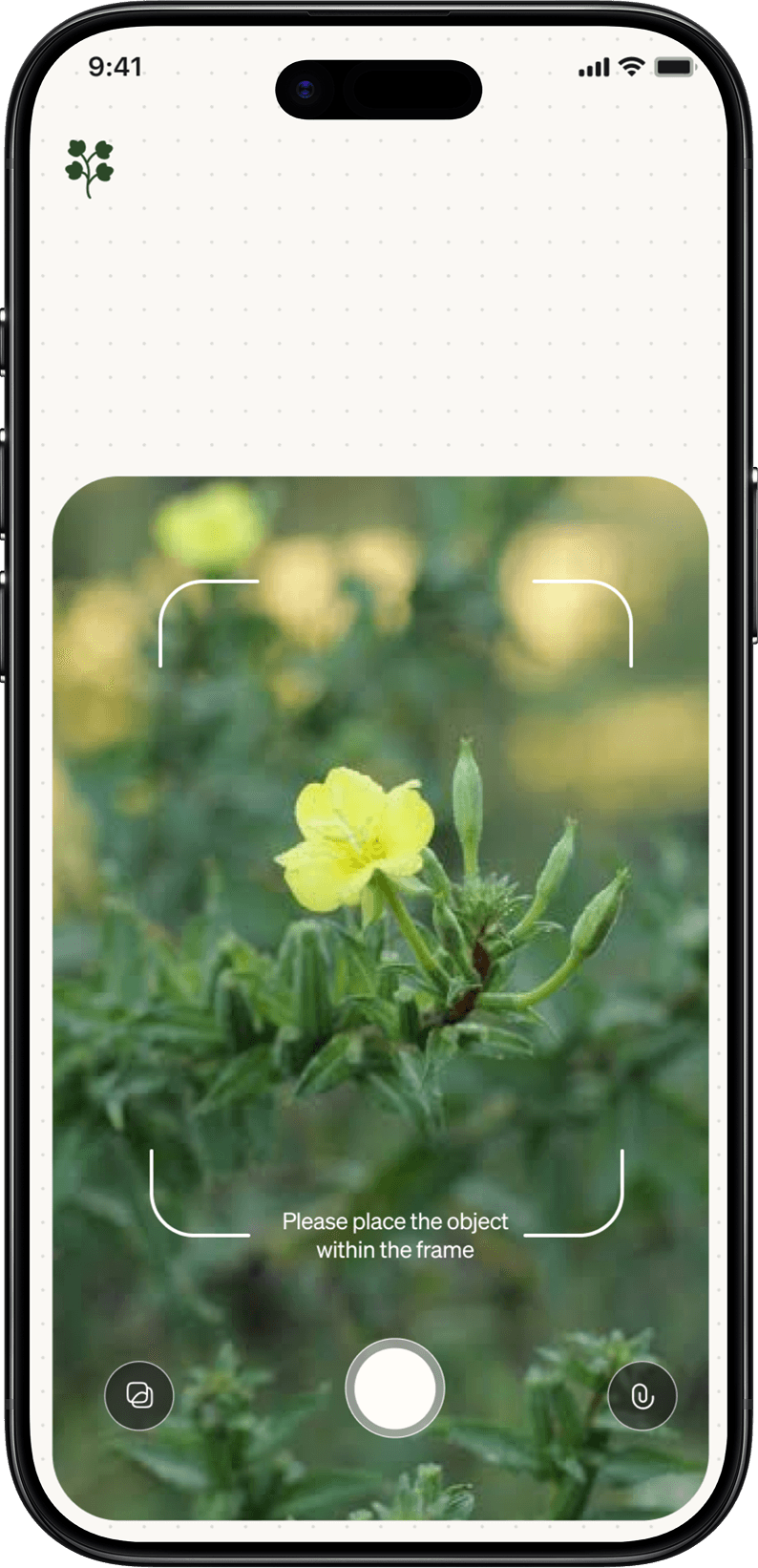
A digital herbarium keeps the idea and drops the press. For every plant you record a photograph, the name, the place, and the date. Photograph the plant where it grows and take a close-up of the flower and the leaves, so the species can be recognized from the picture.
- Even protected species can be collected, because the plant stays where it grows.
- Photographs keep the colors and shapes that drying takes away.
- The collection needs no press, no folder, and no shelf space.
Frequently asked questions
How many plants should a herbarium have?
For school projects the usual requirement is around 20 specimens, but check the assignment. A personal herbarium has no rules; it grows as long as you keep collecting.
Do I have to press flowers to make a herbarium?
No. A digital herbarium replaces pressed specimens with photographs of each plant, together with the same names, dates, and places.
What should a herbarium label include?
The common and scientific name of the plant, the date, the place, the habitat, for example a meadow or the edge of a wood, and the name of the collector.
Is it legal to pick wildflowers?
Rules vary by country. Protected species must never be picked, collecting is usually forbidden in nature reserves, and private gardens need the owner’s permission. Photographing a plant is legal everywhere.
What is the best app for making a herbarium?
Linnea builds a herbarium from photos taken with the camera on the spot: it identifies each plant, tells its story, and gives every find a numbered place with the date and town.